10 Jun 2026
 9 min read



Retail hasn’t stopped growing. Total U.S. retail sales are forecast to reach $5.6 trillion in 2026, up 4.4% from 2025, according to NRF’s annual forecast. (Source: National Retail Federation, “NRF 2026 Annual Retail Sales Forecast,” February 2026, nrf.com)
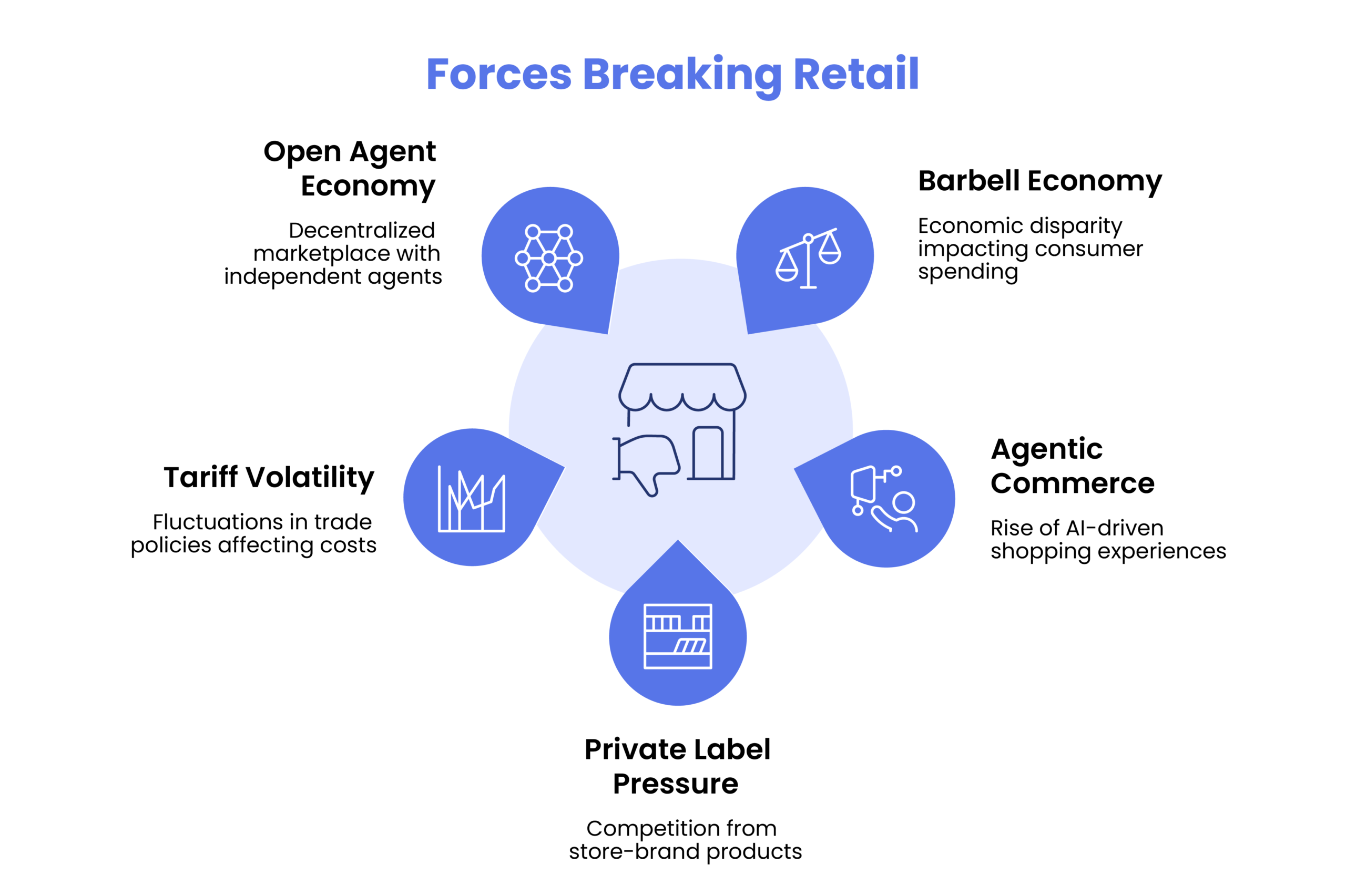
But growth is masking a harder operating reality. Tariffs are reshaping cost structures, consumer behavior is fragmenting beyond traditional segmentation, AI agents are influencing purchase journeys, and decision cycles that once allowed weeks of analysis now demand responses in hours.
This POV is written for retail and CPG technology, data, analytics, merchandising, and transformation leaders, including CIOs, CDOs, heads of analytics, BI leaders, and retail operators, who are trying to modernize fragmented analytics foundations without disrupting trusted reporting, KPI logic, or day-to-day business workflows.
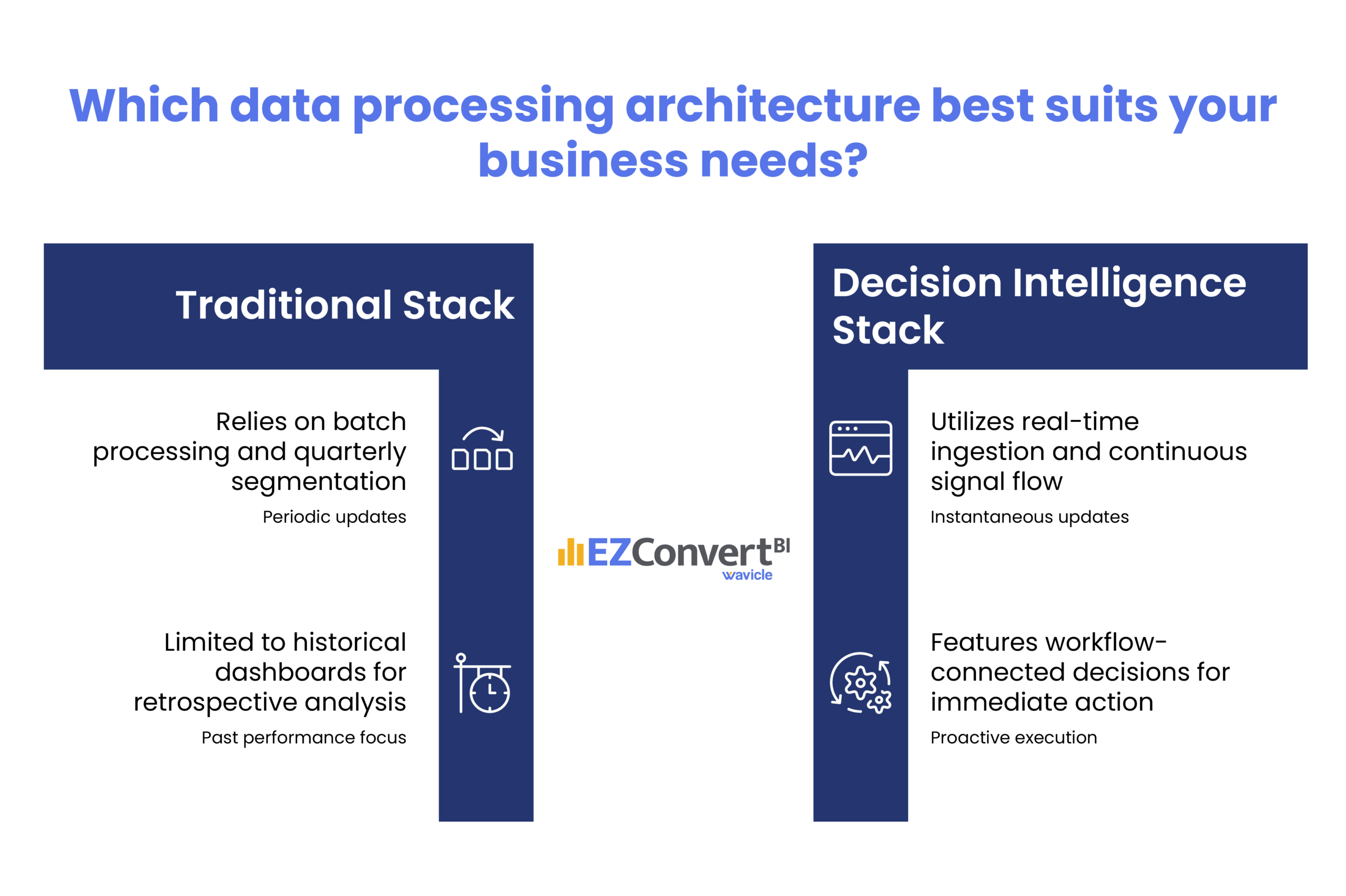
The core issue is no longer whether retailers have enough data. Most already do. The issue is whether that data can be governed, trusted, and activated fast enough to support decisions across pricing, inventory, assortment, promotions, supply chain, store operations, and customer engagement.